Why Is Riding in a Kids Electric Car Uncomfortable?

Time:2026-09-17 Author:Amelia
0%

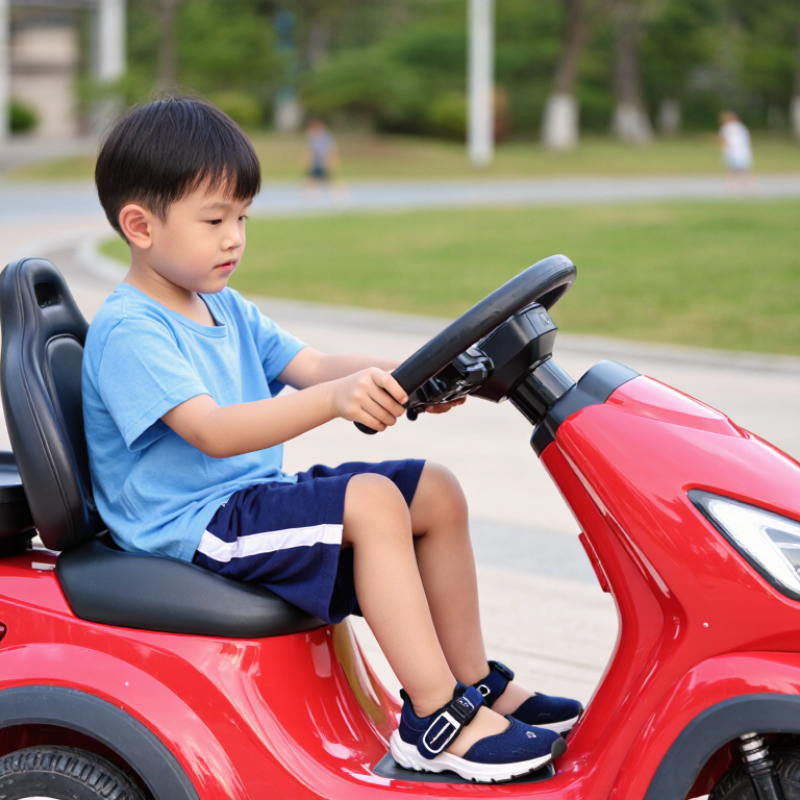
Why Is Riding in a Kids Electric Car Uncomfortable? The answer often begins with poor fit, not the motor. A child may sit with knees raised, shoulders pressed against hard plastic, and feet unable to rest naturally. Small steering wheels can force awkward wrist angles. Limited padding can also make every bump feel sharp.

The U.S. Consumer Product Safety Commission’s Toy-Related Deaths and Injuries report recorded approximately 231,000 toy-related emergency-department injuries involving children under 15 in 2023. The report does not isolate ride-on electric cars or measure comfort. That limitation matters. Safety statistics cannot explain a sore back, numb legs, or a child refusing to ride after ten minutes. ASTM F963-23 focuses mainly on toy safety requirements, leaving ergonomic quality to manufacturers and parents. A safer product may still be unpleasant to use.

Human-centered design expert Don Norman states, “Design is really an act of communication, which means having a deep understanding of the person with whom the designer is communicating.” His principle supports a practical question: How to improve riding comfort of kids electric cars without treating every child like a smaller adult? Manufacturers should measure seated height, hip width, leg reach, and shoulder clearance across different age groups. Parents can check whether the child’s knees bend comfortably and whether the back touches the seat support.

Look closely.

A smoother seat, adjustable footrest, softer grip, and better suspension can change the experience. Yet comfort testing is often inconsistent. Real children should complete short rides on flat pavement, gentle slopes, and uneven surfaces. Their posture, complaints, and fatigue should be recorded. One uncomfortable truth remains: attractive styling may still hide weak ergonomics. Comfort deserves testing before purchase, not after disappointment.
Why Is Riding in a Kids Electric Car Uncomfortable?

What Makes a Kids Electric Car Uncomfortable to Ride?

When a kids electric car feels uncomfortable, the seat is often the main problem. A flat seat can make a child slide forward during movement. Hard plastic also creates pressure behind the thighs. Small footwells force knees upward, especially for taller children. This position can make steering feel awkward and tiring. I have also noticed that firm wheels transfer every bump through the seat. The ride may look smooth from outside. Inside, it can feel surprisingly rough.

Tips: Check the seat depth, foot space, and steering position before each ride. Add only a thin, secure cushion if the instructions allow it. Avoid loose pillows, which can shift under the child. Adjust the harness so it feels snug, not tight. Confirm that the child’s back stays supported and both feet rest naturally. The manufacturer’s height and weight guidance matters more than appearance. A car that looks spacious may still have poor legroom.

Uneven weight distribution can cause another discomfort. A heavy battery under one side may create a noticeable tilt. Low tire pressure can increase vibration, while overinflation can reduce grip and comfort. Check the tires on a level surface. Listen for rattling near the seat or body panels. Small sounds sometimes reveal loose parts. I would not assume a child is simply being fussy. Still, my first judgment can be wrong. Children may describe pressure as “bumpy” or “scary,” so watch their posture, hands, and facial expression. Fresh observations are more useful than guesswork.

How Seat Design Affects a Child’s Comfort and Posture

Why Is Riding in a Kids Electric Car Uncomfortable?

A child’s comfort often starts with the seat, not the motor. Many small electric cars use a flat plastic shell with limited back support. A young rider may slide forward, round the shoulders, or press against the steering wheel. That posture can make a short ride feel tiring. During product checks, I look for three contact points: the back, hips, and feet. If one point loses support, the child may constantly adjust position.

Seat dimensions should match real body measurements, not simply a smaller adult chair. ISO 7250-1:2017 provides standardized anthropometric measurements for seating and product design. A deep seat can press behind the knees, while a wide seat may leave the hips unstable. Adjustable footrests and a slightly curved backrest usually provide better support. Soft padding helps, but too much padding can reduce stability. This detail is easy to overlook.

The World Health Organization’s 2020 guidelines recommend at least 180 minutes of daily physical activity for children aged three to four, with sedentary screen time limited to one hour. A ride should not create unnecessary stiffness during remaining seated periods. Rounded edges, breathable surfaces, and a secure but non-restrictive belt improve the experience. Still, comfort testing is not perfect. Children move differently, and one seat cannot fit every body. Parents should watch for dangling feet, raised shoulders, or a tilted pelvis before allowing longer rides.

How Space, Legroom, and Vehicle Size Influence Comfort

Why Is Riding in a Kids Electric Car Uncomfortable?

How Space, Legroom, and Vehicle Size Influence Comfort

A child’s comfort depends on more than seat padding. Body proportions change quickly with age. CDC growth charts place median stature near 115 cm at age six and about 138 cm at age ten. That difference can make a small cabin feel usable one year, then cramped the next. Knees may press against the dashboard. Feet may remain bent because the footwell is too short. A low roof also forces taller children to lean forward.

SAE J1100 offers a professional method for comparing vehicle dimensions, but many children’s electric cars provide limited cabin measurements. This creates a practical problem for parents. Product length can look impressive, while usable legroom remains minimal. The CPSC’s 2023 toy-related injury report also reinforces the importance of age-appropriate design and supervision, although it does not measure comfort directly. Comfort is not safety, but poor posture can reduce control and enjoyment. I have found that manufacturers sometimes focus on exterior styling more than seated space. That choice deserves criticism.

Tips: Measure the child’s seated height, hip width, and knee-to-heel length first. Leave at least a few centimeters for natural movement. Check whether the steering wheel touches the knees. Test the seat with shoes on. A larger vehicle is not automatically better. Some extra space becomes wasted cabin volume. Waist belts should sit across the hips, not the stomach. Recheck the fit every few months. Children grow unevenly.

How Driving Motion, Speed, and Suspension Create Discomfort

Why Is Riding in a Kids Electric Car Uncomfortable?

How Driving Motion, Speed, and Suspension Create Discomfort

A children’s electric car can feel rough even on a flat driveway. Small plastic wheels transmit bumps directly through the seat. At higher speed, the child’s head and torso move faster than the vehicle body. ISO 2631-1 explains that repeated whole-body vibration can increase discomfort, fatigue, and loss of postural stability. The effect is sharper when the seat has little padding or the child’s feet cannot rest firmly.

Speed changes the experience quickly. A short acceleration surge pushes the back into the seat, while sudden braking throws the body forward. Hard steering adds side-to-side movement. The U.S. Consumer Product Safety Commission reported 145,500 toy-related emergency-department injuries among children under 15 in 2022. That figure covers all toys, not electric cars specifically, but it shows why motion control deserves attention. A lower speed setting may feel boring, yet it often gives better body control.

Tips: Test the car on a smooth surface first. Watch the child’s head, shoulders, and hands. If the body bounces repeatedly, reduce speed and inspect the tires, seat, and suspension. Avoid carrying extra weight. Check whether the suspension is too stiff or already bottoming out. Manufacturer claims can sound reassuring, but real comfort depends on the child’s size, surface, posture, and driving habits. One detail is easy to miss: discomfort may appear before the ride looks dangerous.

Why Is Riding in a Kids Electric Car Uncomfortable? - How Driving Motion, Speed, and Suspension Create Discomfort

Discomfort Dimension What Happens During the Ride Why It Feels Uncomfortable Common Warning Signs Practical Improvement
Starting and stopping The motor applies torque quickly, or the car stops abruptly when the accelerator is released. Sudden changes in acceleration move the child’s body forward or backward before the seat and muscles can stabilize it. Head bobbing, sliding in the seat, gripping the steering wheel tightly, or complaining of a jolt. Use gradual throttle input, release the accelerator smoothly, and select a low-speed setting when available.
Driving speed Higher speed makes bumps, surface joints, and steering corrections occur more rapidly. Impact energy rises with the square of velocity, so the same obstacle can produce a noticeably harder hit at higher speed. Repeated bouncing, teeth chattering, loss of posture, or discomfort after crossing small bumps. Reduce speed before uneven ground, avoid sharp turns at speed, and use smooth, level paths.
Rigid suspension A stiff or limited suspension system transfers more road movement directly to the chassis and seat. Less suspension travel means less room to absorb vertical motion before it reaches the rider. Sharp impacts through the seat, visible wheel hopping, or repeated body lifting over bumps. Inspect the suspension, avoid overloading the vehicle, and do not use it on terrain beyond its design purpose.
Insufficient damping After crossing a bump, the car may continue bouncing instead of settling quickly. Springs store and release energy; without adequate damping, that energy produces repeated oscillations. Two or more rebounds after one bump, unstable seating, or a rocking sensation. Check for worn or damaged suspension parts and stop using the vehicle if bouncing becomes excessive.
Tire pressure and tire stiffness Overinflated or hard tires transmit more high-frequency vibration; underinflated tires can feel unstable and may bottom out. Tires are part of the primary ride-comfort system and help absorb small surface irregularities. A harsh ride on small bumps, uneven steering response, or visibly deformed tires. Maintain tire pressure within the vehicle manufacturer’s specified range and inspect tires regularly.
Uneven or hard surfaces Paving joints, gravel, roots, and thresholds create repeated vertical impacts and vibration. Short-wheelbase vehicles encounter changes in surface height more abruptly than larger vehicles. Rattling, vibration in the hands and feet, and discomfort concentrated at the spine or hips. Choose smooth ground, cross small obstacles slowly, and approach them as squarely as practical.
Cornering and side-to-side motion Turning generates lateral acceleration that shifts the child toward the outside of the turn. The body must resist sideways motion, especially when the seat has little side support. Leaning, shoulder pressure against the door, or difficulty keeping the head upright. Slow before turning, steer progressively, and keep the child properly seated and restrained.
Seat and restraint fit A flat seat, hard backrest, or poorly adjusted restraint allows the body to move during acceleration and impacts. Pressure becomes concentrated at the hips, shoulders, and lower back instead of being distributed evenly. Red marks, slouching, frequent repositioning, or the child resisting the restraint. Adjust the restraint according to its instructions, keep the back supported, and remove loose objects from the seat.
Vibration and noise Electric motors, gear reduction systems, loose panels, and rough tires can create continuous vibration or rattling. Persistent vibration can cause fatigue, while noise can increase stress and reduce the feeling of control. Numb hands, tired posture, rattling sounds, or complaints that the ride feels rough even on smooth ground. Tighten accessible fasteners, inspect wheels and drivetrain components, and stop operation if unusual noise appears.
Vehicle loading and balance An incorrectly sized rider or uneven load changes suspension compression, steering response, and stability. Suspension performance depends on load; excessive weight can reduce available travel and increase bottoming. Frequent contact with the bump stops, slow steering response, or a visibly tilted vehicle. Follow the stated age, height, weight, and passenger limits and keep the load centered.

Note: Ride comfort depends on the vehicle design, rider size, tire condition, surface type, speed, and maintenance condition. Always follow the vehicle’s safety and operating instructions.

How Heat, Noise, and Safety Features Affect the Riding Experience

Why Is Riding in a Kids Electric Car Uncomfortable?

A child-sized electric car can look playful yet feel harsh inside. Heat builds beneath a plastic roof on still afternoons. NHTSA reports that parked vehicle temperatures can rise 20°F in ten minutes and 40°F within an hour. A toy car is different, but direct sunlight still matters. Check the seat, steering wheel, and floor before each ride. A small thermometer helps, although it cannot measure a child’s real comfort.

Motor whine, hard pavement, and rattling panels create constant noise. NIOSH’s Criteria for a Recommended Standard sets 85 dBA as an eight-hour exposure limit. Short rides are safer, but repeated loud sessions still deserve attention. If a child shouts to be heard, stop and listen. That is a useful warning sign. It is easy to focus on speed and miss a sharp motor pitch.

Safety features can also create pressure points. A twisted harness, stiff lap strap, or narrow seat may restrict movement. The CPSC’s 2023 Toy-Related Deaths and Injuries report estimated 231,900 toy-related emergency-department injuries among children under 15. This figure covers all toys, not ride-on cars. Still, it supports careful supervision. Adjust restraints over ordinary clothing, keep feet clear of moving parts, and check red marks after riding. A tighter restraint is not always safer when fitted poorly.

Why Is Riding in a Kids Electric Car Uncomfortable?

How heat, noise, and safety features affect the riding experience

Indoor thermal comfort is commonly associated with approximately 20–24°C, while prolonged exposure to sound levels around 75 dBA or higher can increase listening fatigue. In a kids electric car, direct sunlight, limited ventilation, motor noise, hard seats, and restrictive restraints can make the ride feel hotter, louder, or less comfortable. Proper padding, adjustable belts, ventilation, and adult supervision can improve the experience.

Reference points: ASHRAE thermal comfort guidance and WHO safe-listening recommendations. These values are general reference levels, not measurements from a specific vehicle.

FAQS

Why can a child’s electric car feel uncomfortable?

The seat may be flat, hard, or poorly sized. A child can slide forward, round the shoulders, and press against the steering wheel.

How should a seat support a child’s posture?

The back, hips, and feet should remain supported. Dangling feet or a tilted pelvis can cause constant repositioning.

Can a deep or wide seat create discomfort?

Yes. A deep seat can press behind the knees. A wide seat may leave the hips unstable.

Do adjustable footrests and padding improve comfort?

Adjustable footrests help keep the feet planted. Moderate padding can soften bumps, but excessive padding may reduce stability.

How do speed and braking affect comfort?

Sudden acceleration pushes the back into the seat. Sudden braking throws the body forward and may disturb head control.

What should parents watch for during a rough ride?

Watch the child’s head, shoulders, and hands. Repeated bouncing suggests a need to reduce speed or inspect the tires and suspension.

Can heat and noise make a short ride unpleasant?

Yes. Sun-heated plastic can feel uncomfortable against the legs and back. Motor noise may also cause stress or fatigue.

Can safety restraints create pressure points?

A twisted harness or narrow strap can leave red marks. A tighter restraint is not automatically better when fitted poorly.

How can parents test comfort before longer rides?

Start on a smooth surface and observe the child closely. Check posture, body movement, seat temperature, and foot placement.

Is one seat suitable for every child?

No seat fits every body. Comfort checks are imperfect, and subtle fatigue can be easy to miss.

Conclusion

Riding in a kids electric car can feel uncomfortable when the seat, interior space, or driving motion does not match a child’s body. Poorly shaped seats may offer too little back support, forcing children into awkward postures. Limited legroom, narrow footwells, and an undersized cabin can also make it difficult to sit naturally, especially during longer rides. At the same time, excessive speed, sudden starts, uneven surfaces, and weak suspension may create jolts that cause discomfort or fatigue.

Heat, motor noise, vibration, and restrictive safety features can further affect the riding experience. A comfortable vehicle should provide supportive seating, enough room for movement, smooth acceleration, effective shock absorption, and suitable ventilation. Parents can consider How to improve riding comfort of kids electric cars by adjusting the seat position, checking available legroom, choosing appropriate driving speeds, and using the vehicle only on suitable surfaces. Regularly inspecting tires, seat belts, and suspension components can also help maintain a smoother, safer, and more enjoyable ride.

Amelia

Amelia

Amelia is a seasoned marketing professional with a wealth of expertise in our company’s core offerings. With an unwavering passion for driving growth and innovation, she plays a pivotal role in shaping our marketing strategies and enhancing brand visibility. A key aspect of her responsibilities......