When it comes to selecting materials for kids' electric vehicles, durability is key. Parents want products that can withstand the wear and tear of daily use. According to James Thompson, a leading expert in child-safe material design, “Choosing the right materials can make a world of difference in the longevity of kids’ electric vehicles.” His insights remind us that durability is not just a luxury; it's a necessity for safety and enjoyment.
Kids tend to be rough on their toys. Electric vehicles are no exception. If parents choose flimsy materials, they may face frequent replacements. This can be frustrating and costly. Repurchasing vehicles can strain budgets and disappoint little ones. Instead, investing in durable materials can ensure that the vehicle lasts through countless adventures.
While it may seem straightforward, the decision requires careful consideration. Some materials appear sturdy but might not withstand various weather conditions. Others might be heavy, making the vehicle challenging to operate. Reflecting on these factors is crucial for making informed choices. Ultimately, understanding how to choose durable materials for kids electric vehicles is essential for long-term satisfaction.
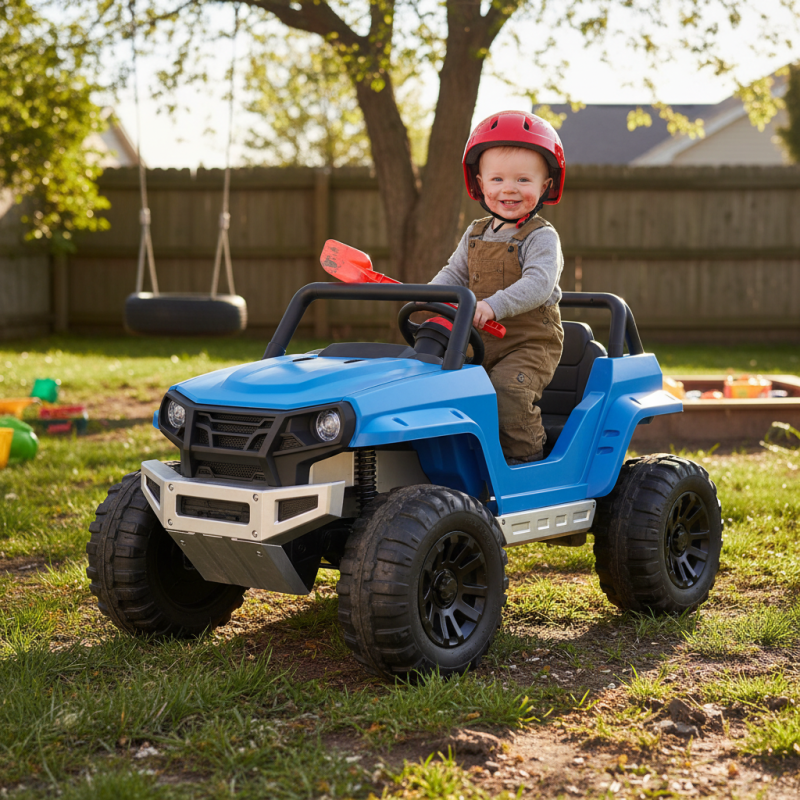
Selecting the right materials for kids’ electric vehicles is critical for safety and durability. One important factor is the type of plastic used. ABS plastic is popular due to its toughness and impact resistance. However, check if it’s BPA-free to ensure safety for your kids.
Another essential factor is the weight of the material. Lighter materials are easier for children to handle but may compromise strength. Consider finding a balance to ensure both safety and usability.
Tips: Always inspect for sharp edges. Unfinished materials can pose risks. Plus, think about color fading. Kids love vibrant colors, but they need to last. Regular maintenance can keep them looking fresh. Keep these factors in mind when choosing for your child’s electric vehicle.
This chart illustrates the durability ratings of different materials commonly used in kids' electric vehicles. Materials like metal and composites offer higher ratings, indicating longer-lasting performance, while plastic tends to be less durable.
When choosing materials for kids' electric vehicles, safety and durability are key. Common materials include plastic, metal, and rubber. High-density polyethylene (HDPE) is popular for its impact resistance. It's lightweight and can withstand rough play. This makes it suitable for children’s toys. However, not all plastics are created equally. Some may degrade over time, leading to potential safety hazards.
Metal components are often used in the frame. Aluminum is lightweight yet strong. It doesn’t rust, which can prolong the vehicle’s lifespan. Nevertheless, manufacturers must ensure edges and joints are smooth. Abrasive surfaces can injure young users.
Rubber is typically used for tires. It provides traction and supports shock absorption. Good-quality rubber enhances ride quality. Yet, lower-quality variants can wear out quickly. They might need replacement sooner than expected. It's essential to consider both environmental factors and usage patterns to ensure a safe and enjoyable experience for kids.
Choosing durable materials for kids' electric vehicles is essential for safety and longevity. Before making a selection, it's important to understand durability testing standards. These standards help evaluate how well components withstand wear and tear. They often involve various tests like impact resistance, UV exposure, and water resistance. This ensures that the materials used can endure playful adventures.
One key aspect of durability testing is assessing the material's response to different conditions. For example, does it fade under sunlight? Can it withstand bumps and drops? It’s not enough just to pick colorful plastics. Parents should consider how well these materials will hold up over time. Manufacturers might claim their products are strong, but independent testing provides a clearer picture.
The reality is that not all tested materials perform equally under all scenarios. Some may excel in one area but fail in another. Evaluating these inconsistencies is crucial. By understanding durability standards, parents can make informed choices. This careful selection process ultimately ensures that children enjoy their vehicles safely and for longer periods.
Choosing the right materials for kids electric vehicles involves crucial considerations. Safety should always be a priority. For instance, according to the Consumer Product Safety Commission, nearly 30,000 injuries related to toy vehicles occur annually. This alarming statistic emphasizes the need for strong, durable materials that can withstand rough use.
Plastic components should be high-density polyethylene or polypropylene. These materials offer excellent impact resistance and durability. They can endure falls and collisions, protecting children from injury. A report by the International Journal of Polymer Science indicates that well-chosen plastics can absorb energy during impacts, reducing the risk of harm.
Metal parts often ensure stability but may introduce weight. Lightweight metals like aluminum provide good strength without excessive heft. The balance is crucial; excessively heavy vehicles can be difficult for kids to maneuver. Reflecting on these choices is vital. Material selection doesn't just affect longevity; it impacts overall safety and enjoyment. Parents should question their options, weighing benefits against risks carefully.
| Material Type | Durability | Impact Resistance | Weight | Cost | Safety Rating |
|---|---|---|---|---|---|
| Polypropylene (PP) | High | Moderate | Lightweight | Low | Good |
| Polycarbonate (PC) | Very High | High | Moderate | High | Excellent |
| Acrylonitrile Butadiene Styrene (ABS) | Moderate | Moderate | Heavy | Moderate | Good |
| Steel | Very High | Very High | Heavy | High | Excellent |
| Aluminium | High | High | Lightweight | Moderate | Very Good |
Selecting durable materials for kids' electric vehicles involves crucial environmental considerations. According to the International Renewable Energy Agency (IRENA), sustainable materials significantly reduce the carbon footprint of production. Common materials, such as recycled plastics and responsibly sourced metals, are essential for creating eco-friendly kids' electric cars.
One tip is to choose materials that are lightweight yet sturdy. This can enhance battery efficiency and lower energy consumption. For instance, using high-density polyethylene (HDPE) can improve durability and reduce overall environmental impact. However, sometimes manufacturers overlook the sourcing and recyclability of these materials, which can raise concerns about long-term sustainability.
Another important aspect is the end-of-life management of the materials. Reports from the Ellen MacArthur Foundation indicate that a circular economy approach can save up to $1 trillion annually in material costs. Kids' electric vehicles should be designed for easy disassembly to facilitate recycling. It's vital to weigh the benefits of new materials against potential waste issues, ensuring that choices support both functionality and the environment.
: ABS plastic is popular due to its toughness and impact resistance. Check if it’s BPA-free for safety.
Lighter materials are easier for kids to handle, but may lack strength. Balance is key for safety.
Always check for sharp edges. Unfinished materials can pose serious risks to children’s safety.
Regular maintenance is vital. Kids love vibrant colors, but they should be durable to withstand wear.
Metal, often aluminum, is used. It’s lightweight, strong, and doesn't rust, prolonging the vehicle's lifespan.
No, not all plastics are equal. Some degrade over time, which can lead to safety hazards.
Rubber is ideal for tires. It provides traction and supports shock absorption. Quality matters greatly.
Usage patterns affect wear and tear. Understanding how your child plays helps in making safer choices.
Yes, lower-quality rubber can wear out quickly and may need replacement sooner than expected.
Consider safety, durability, and maintenance. Each decision impacts your child's experience with the vehicle.
When considering how to choose durable materials for kids electric vehicles, various factors must be taken into account to ensure both safety and performance. Key considerations include the physical properties of materials, such as strength, weight, and resistance to wear and tear. Commonly used materials include reinforced plastics, aluminum, and composites, each offering different benefits in terms of longevity and maintenance.
Durability testing standards are crucial in assessing the quality and resilience of vehicle components, ensuring they can withstand daily use. Additionally, environmental considerations play a vital role in material selection, promoting sustainability while prioritizing the safety of young users. Ultimately, careful material selection not only impacts the vehicle's overall performance but also contributes to a safer and more enjoyable experience for kids.

Whoo Toys