How to store kids electric cars when not in use is more than a question of saving garage space. It protects batteries, charging equipment, and curious children from avoidable hazards. The U.S. Consumer Product Safety Commission’s Toy-Related Deaths and Injuries report recorded approximately 145,500 toy-related emergency-department injuries among children under 14 in 2022. That figure does not isolate electric ride-on cars, but it shows why storage deserves careful attention.
A safe routine begins after every ride. Turn the vehicle off, remove the key, and disconnect the charger. Check for cracked cables, loose battery terminals, exposed wires, or unusual heat. Store the car on a dry, level surface, away from heaters, direct sunlight, rain, and household chemicals. NFPA research on home fires repeatedly identifies electrical equipment and malfunction as important ignition concerns. Therefore, a charger should never remain connected beneath clothing, cardboard, or other flammable materials. Keep the vehicle inaccessible to young children, even when it appears powerless.
Battery chemistry matters. Lead-acid and lithium-ion systems have different charging and temperature requirements, so the manufacturer’s manual should control the process. Use only the supplied charger and follow its storage-charge instructions. A cool, ventilated area is usually safer than a sealed cupboard. Still, “cool” does not mean freezing. This guidance is practical, but not perfect; models differ, and old manuals may be unclear. When doubt remains, contact the manufacturer, inspect the battery professionally, and replace damaged components rather than improvising. Small habits matter. A clean shelf, unplugged charger, and dry cover can prevent a much larger problem.
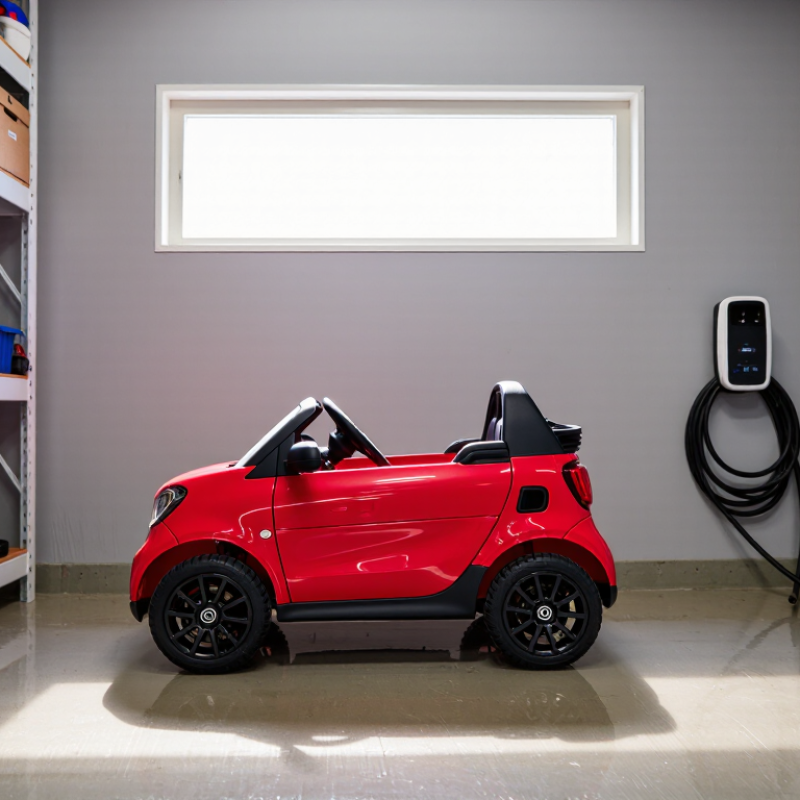
Choose a storage location before the ride ends. The best place is cool, dry, shaded, and well ventilated. Keep the car away from heaters, boilers, direct sunlight, and flammable liquids. A garage corner may seem convenient, but it can become hot and crowded. Never block a doorway, staircase, or emergency path.
The U.S. Fire Administration advises keeping lithium-ion batteries away from heat and storing them at room temperature. Follow the vehicle’s manual if it gives stricter instructions. NFPA’s Home Structure Fires report for 2017–2021 found electrical distribution and lighting equipment involved in 24% of reported home fires. This does not make every toy dangerous. It does show why storage conditions deserve attention.
Place the car on a level surface, switch it off, and remove the key. Keep chargers unplugged and stored separately, with cables loosely coiled. Do not leave the vehicle beside bicycles, cardboard boxes, paint, or cleaning chemicals. A locked indoor cabinet can protect the key, but it must not trap heat around the battery. Check for swelling, cracks, unusual smells, or moisture before storage. Stop using the car if you notice them, and seek qualified service advice. I used to think a dry shed was enough. It was not. Small temperature changes and unnoticed dampness can still matter. Recheck the storage area after heavy rain or seasonal temperature shifts.
This checklist-based comparison shows how different storage locations can meet five basic safety controls: protection from rain, direct sunlight, heat sources, flammable materials, and unauthorized access. An indoor, dry, cool, and well-ventilated area is generally the most suitable option. Always follow the vehicle and battery manufacturer’s instructions.
Before storing a kids’ electric car, clean it as though dirt could hide a fault. Remove leaves, sand, and dried mud from the footwell, wheel wells, and underbody. Use a damp cloth with mild soap, then wipe away residue. Do not spray water near the motor, battery housing, switches, or charging port. A soft brush works well around small seams. Dry every surface completely before covering the car. Moisture trapped beneath a cover can encourage rust and electrical corrosion.
I used to think a quick wipe was enough. It was not. Inspect the body for cracks, loose screws, sharp edges, or missing covers. Look closely at the tires for cuts and uneven wear. Check the steering movement and press the brake gently. Examine cables for fraying, pinching, or exposed wires. Stop if anything feels loose. Do not operate the car when a safety part appears damaged. A careful inspection now can prevent a disappointing repair later.
Check the battery terminals for white powder, swelling, leaks, or unusual smells. Never touch damaged battery material with bare hands. Follow the vehicle’s manual for charging level and battery disconnection. Some batteries require partial charging, while others need a different storage routine. Keep the charger dry and inspect its cable separately. Store the cleaned car in a cool, dry, ventilated place, away from heat and direct sunlight. I still recheck the rear axle, because a fast glance can miss a small problem.
How to Store Kids Electric Cars Safely When Not in Use?
Remove the battery when the car will sit unused. Check its label first, because lithium-ion and lead-acid batteries need different care. Lithium-ion batteries should usually rest near 40–60% charge. Lead-acid batteries generally need a full charge before storage.
The U.S. Department of Energy explains that high temperatures accelerate battery degradation. Store the battery in a cool, dry room, away from sunlight, heaters, and metal objects. Never leave it inside a hot car or damp garage.
Charge only with the supplied charger, on a hard, nonflammable surface. Stay nearby while charging. CPSC safety guidance warns that damaged lithium-ion batteries can overheat, smoke, or ignite without much warning.
UL Research Institutes also identifies thermal runaway as a rapid heat reaction that can spread between cells. Inspect for swelling, cracks, leaking, unusual smell, or excessive heat. Stop using a damaged battery. Do not open it yourself.
I have seen families overlook small swelling because the car still worked. That decision can age badly.
Tips:
Clean dirt from the terminals and cover them loosely. Label the storage date. Check the battery monthly. Recharge according to the manual, often every one to three months for lead-acid types. Keep the car wheels off wet floors, and protect exposed connectors from dust.
A simple storage checklist feels unnecessary, but memory fails during busy seasons.
A well-fitted cover protects a kids’ electric car from dust, sunlight, moisture, and accidental scratches. Choose a breathable, water-resistant cover that reaches near the wheels without dragging on the ground. A loose cover can catch wind and rub against painted surfaces. It is not decoration.
Before covering the car, wipe away mud, sand, and spilled drinks with a soft cloth. Small grit can act like sandpaper under the fabric. Let the car dry completely, especially around the seat, pedals, charging port, and battery compartment. I once covered a damp ride-on car too quickly, and a stale smell remained for days. That mistake changed my storage routine.
Park it on a level, dry surface away from direct heat and busy walkways. Set the wheels straight, switch the power off, and remove the key or control device if available. Secure the cover with adjustable straps, but do not tighten them across sharp edges. Check the cover after strong wind or heavy rain. A sheltered corner is better than a balcony exposed to weather. Keep the charging cable dry and loosely coiled, never trapped beneath the car. Inspect the cover every few weeks for tears, trapped moisture, or insects. Sometimes the safest choice is removing the cover briefly. Fresh air matters.
How to Store Kids Electric Cars Safely When Not in Use?
Check the Vehicle Regularly During Long-Term Storage
Long-term storage needs more than a cover and a locked garage. Check the electric car every two to four weeks. Look for moisture, dust, insects, and small signs of corrosion. A dry, shaded area helps protect plastic parts and wiring.
Inspect the battery closely. It should not look swollen, cracked, or damp. Keep connectors clean and firmly attached. If the battery smells unusual or feels hot, stop using the vehicle and seek qualified service. Never charge it while sleeping or when nobody is nearby. Follow the charging and storage instructions supplied with the vehicle.
I used to check only the battery. That was a mistake. Tires can slowly lose pressure and develop flat spots. Rotate the wheels slightly during long storage, then inspect them before use. Test the brake, accelerator, steering, lights, and remote control. Remove leaves from beneath the car. Small debris can hide around the axle.
Keep the charger dry and check its cable for cuts or loose plugs. Do not place heavy items on the vehicle. Before a child rides again, charge the battery in a ventilated area and watch the first charging cycle. If anything feels uncertain, delay the ride. A careful inspection takes minutes. The skipped check may cost much more.
Yes, remove it when the car will sit unused. Check the battery label first. Different battery types need different storage care.
Lithium-ion batteries usually rest at 40–60% charge. Lead-acid batteries generally need a full charge. Follow the supplied manual.
Keep it in a cool, dry room away from sunlight and heaters. Avoid hot cars, damp garages, and loose metal objects.
Use only the supplied charger on a hard, nonflammable surface. Stay nearby during charging. Never charge while sleeping.
Stop using batteries with swelling, cracks, leaks, strange smells, or unusual heat. Do not open one yourself. Seek qualified service.
Inspect it every two to four weeks. Look for moisture, insects, dust, corrosion, and loose connectors. A cover alone is not enough.
Test the brakes, accelerator, steering, lights, and remote control. Check tire pressure and rotate the wheels slightly during storage. Remove debris near the axle.
Keep the charger dry and inspect its cable for cuts or loose plugs. Clean battery terminals gently and cover connectors loosely. Small details matter.
Charge the battery in a ventilated area and watch the first cycle. Delay the ride if anything seems unusual. I once checked only the battery, and that was a mistake.
How to store kids electric cars when not in use is an important question for maintaining safety, performance, and durability. Start by choosing a dry, cool, well-ventilated storage area away from direct sunlight, moisture, heat sources, and heavy traffic. Before storage, clean the car, remove dirt and debris, and inspect the tires, body, wiring, controls, and charging connection for signs of wear or damage. Any problems should be addressed before the vehicle is stored.
Remove the battery when possible, charge it according to the product instructions, and keep it in a dry location away from extreme temperatures. Avoid leaving it fully discharged for long periods. Cover the car with a breathable protective cover to reduce dust while preventing moisture buildup, and secure it so it cannot be knocked over. During extended storage, check the battery condition, tire pressure, cover, and overall vehicle regularly. Recharge the battery as needed and inspect the car again before allowing children to use it.

Whoo Toys