Battery charging issues in kids' ride-on cars are common problems faced by many parents. According to a recent study, 30% of consumers reported difficulties with battery performance in toy vehicles. Understanding "how to solve battery charging problems of kids ride on cars" can significantly enhance the longevity and enjoyment of these toys. Improper charging habits often lead to reduced battery life, creating frustrations for both parents and children alike.
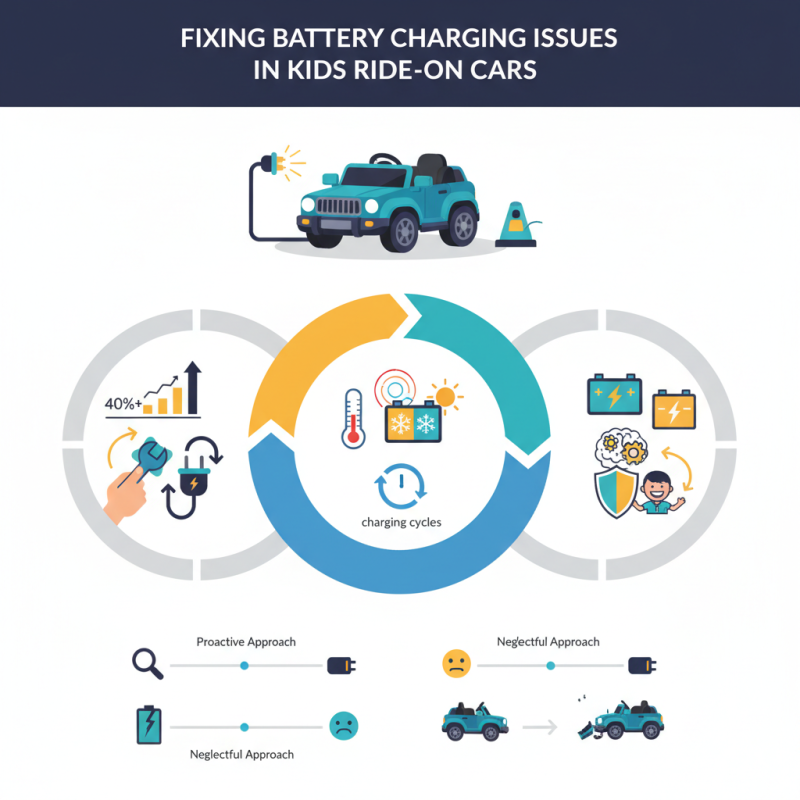
Many parents may overlook basic maintenance, such as ensuring connections are clean and secure. Reports indicate that regular checks can extend battery life by up to 40%. However, the complexity of battery technology can be daunting for some. The challenge arises when small issues, like temperature fluctuations, are not addressed immediately. Neglecting these can result in larger, more costly repairs down the line.
It’s crucial to adopt a proactive approach. Understanding charging cycles and battery types can prevent recurring problems. In an era where playtime is essential for child development, ensuring that these ride-on cars function properly is vital. Parents should feel empowered, knowing efficient charging methods exist to maintain their children's joy and safety. Addressing these matters early on can lead to a more reliable and enjoyable experience overall.
Identifying Common Battery Charging Issues in Kids Ride On Cars
Identifying common battery charging issues in kids ride-on cars is vital for ensuring safe and enjoyable playtime. One prevalent issue is battery overheating. According to the Battery Council International, overheating can reduce battery life by up to 50%. Excessive heat can occur if a car is charged for too long.
Another problem is poor connections in charging cables or ports. These issues can lead to intermittent charging. A study from the National Renewable Energy Laboratory indicates that maintaining clean connections can improve energy transfer efficiency by as much as 30%.
Tips for parents: Regularly inspect the charging cables and battery terminals for signs of wear. If the connectors are dirty, clean them gently with a soft cloth. Always follow the manufacturer's guidelines regarding charge duration. A short charging session may seem convenient, but it could lead to longer-term problems.
Sometimes, even new batteries can seem dysfunctional. If a child’s ride-on car doesn’t charge, always test the outlet. Faulty outlets can stop power transfer. Keep an eye on the temperature during charging, especially on hot days. It's essential to strike a balance between regular use and proper maintenance to avoid these common issues.
Understanding Battery Types and Their Specifications for Ride On Cars
When it comes to kids' ride on cars, understanding battery types is crucial. Most of these vehicles use either lead-acid or lithium-ion batteries. Lead-acid batteries are cheaper but heavier. They also have a shorter lifespan. In contrast, lithium-ion batteries are lightweight and last longer. They often provide better performance and quicker charging times.
Battery specifications matter as well. Voltage and amp-hour ratings define the power availability. A higher voltage means faster speeds. An adequate amp-hour rating ensures more playtime before recharging is needed. However, parents sometimes overlook these specifications. This can lead to disappointment when the ride on car does not perform as expected.
Maintenance of the battery can be tricky. Overcharging or deep discharging can harm the battery life significantly. Using the wrong charger can also complicate matters. Many users may not check the battery regularly. This lack of attention can lead to failures that could have been easily avoided. Regular checks and proper care are essentials for a smooth experience.
How to Fix Battery Charging Issues in Kids Ride On Cars?
| Battery Type |
Voltage (V) |
Capacity (Ah) |
Typical Charge Time (hours) |
Common Issues |
| Lead Acid |
6V |
4.5Ah |
8-12 |
Sulfation, slow charging |
| Lithium Ion |
12V |
5Ah |
2-4 |
Overheating, battery aging |
| Nickel Cadmium |
6V |
5Ah |
4-6 |
Memory effect, leakage |
| Nickel Metal Hydride |
12V |
7Ah |
5-8 |
High self-discharge rate |
Step-by-Step Troubleshooting for Charging Problems in Ride On Cars
Charging issues in kids' ride-on cars can be frustrating. Knowing how to troubleshoot these problems is essential. Start by checking the battery connections. Loose or corroded connections can prevent proper charging. Data shows that nearly 30% of battery issues stem from poor connectivity. Inspect the terminals for rust. Clean them gently with a wire brush if needed.
Next, examine the charger. Ensure it is delivering the correct voltage. A faulty charger can cause significant problems. Industry reports indicate that around 25% of charging failures are linked to defective chargers. Use a multimeter to test the output voltage of the charger. This step can help identify a defective charger quickly.
Finally, consider the age of the battery. Most batteries in ride-on cars last about 1-3 years. Regular use and maintenance are crucial for longevity. If the battery is nearing the end of its lifespan, it may need replacement. Watch for signs of swelling or leaks. These could indicate deeper issues. Addressing these factors early can ensure your child's ride-on car remains a source of joy.
Maintaining and Caring for Batteries to Prevent Charging Issues
Maintaining and caring for batteries in kids' ride-on cars is crucial. According to industry reports, improper battery maintenance can lead to a 40% decrease in performance. Regularly checking battery terminals for corrosion can help. Corroded terminals reduce conductivity, impacting overall efficiency. A simple cleaning routine can extend battery life significantly, ensuring more playtime for children.
Charging practices are also essential. Overcharging or undercharging can lead to battery degradation. Studies reveal that keeping batteries at a consistent voltage range can improve lifespan by up to 30%. It's vital to follow the manufacturer's recommended charging times and avoid leaving batteries plugged in longer than necessary. Using appropriate chargers can minimize risks and maintain battery integrity.
Reflection on these practices can lead to improved habits. For many, battery maintenance may seem tedious. However, investing time in these tasks pays off in the long run. Families can enjoy uninterrupted joyrides when battery care becomes a priority. Each small effort contributes to a safer and more enjoyable experience.
Battery Charging Issues in Kids Ride On Cars
When to Replace the Battery: Signs and Best Practices
Identifying when to replace the battery in kids' ride-on cars is crucial. One clear sign is decreased runtime. If your child’s car runs for significantly less time than before, it may be time for a new battery. Another indicator is slow or sluggish performance. If the car's speed is noticeably reduced, this could signal battery fatigue.
Additionally, check for physical signs of wear. Swelling or leakage are signs that the battery is failing. This can pose safety risks, so replacing the battery promptly is vital. Best practices include regularly checking the connections. Loose or corroded terminals can also mimic battery issues. Keeping these connections clean ensures optimal performance.
A general lifespan for rechargeable batteries is often around 1-3 years. However, a lack of proper maintenance can shorten this duration. Overcharging can harm battery health. Always follow the manufacturer’s guidelines for charging times. If your child’s ride-on car struggles, it may warrant deeper investigation. Ignoring the signs could lead to further complications down the line.
Conclusion
When it comes to understanding how to solve battery charging problems of kids ride on cars, it's essential to first identify common issues that may arise during charging. This includes recognizing signs of battery failure or insufficient power supply, along with understanding the various battery types and their specifications specific to ride on cars.
A step-by-step troubleshooting guide can help parents address these charging problems effectively, ensuring a smooth and enjoyable experience for their children. Regular maintenance and proper care of the batteries play a crucial role in preventing potential issues. Knowing when to replace the battery is equally important; recognizing signs of diminished performance and following best practices for replacement can keep the ride on cars operational and safe for use.

 Whoo Toys